Ultimate Guide to Visiting Dorset’s Jurassic Coast
Collections
Ultimate Guide to Visiting Dorset’s Jurassic Coast
Stretching for nearly 100 miles along the southern coast of England, the Jurassic Coast is a UNESCO World Heritage Site renowned for its breathtaking natural beauty and rich geological history. From towering cliffs and secluded coves to picturesque villages and historic landmarks, this stretch of coastline offers something for everyone to discover and explore, and we’re very proud to call it home.
In this guide, we’ll take you on a journey through the highlights of Dorset’s Jurassic Coast, from geological wonders and areas rich in wildlife to beautiful beaches and historic monuments. Whether you’re a nature lover, history enthusiast, or simply seeking a relaxing seaside getaway, you’ll find plenty to captivate your imagination along this extraordinary coastline.
So pack your bags, lace up your hiking boots, and get ready for an unforgettable adventure along one of England’s most iconic coastlines. The Jurassic Coast awaits, and we’re here to help you make the most of every moment.
The Geology of the Jurassic Coast

Image: Chris Meads
The unique arch-like layers of rock at Stair Hole, Lulworth Cove.
The immense character of the Jurassic Coast is undoubtedly due, at least in part, to the unique geology underpinning it. The area’s most famous, unmissable sights have been formed not by man but by nature over millions of years.
The Jurassic Coast runs for 95 miles along the south coast of England from Exmouth in East Devon over to Studland Bay in Dorset. As I’m sure you’ve deciphered from the name, the majority of the rocks exposed along this dramatic coastline were formed during the Jurassic Period, which ended about 145 million years ago.
Hikers making their way up the chalk cliffs of Durdle Door.
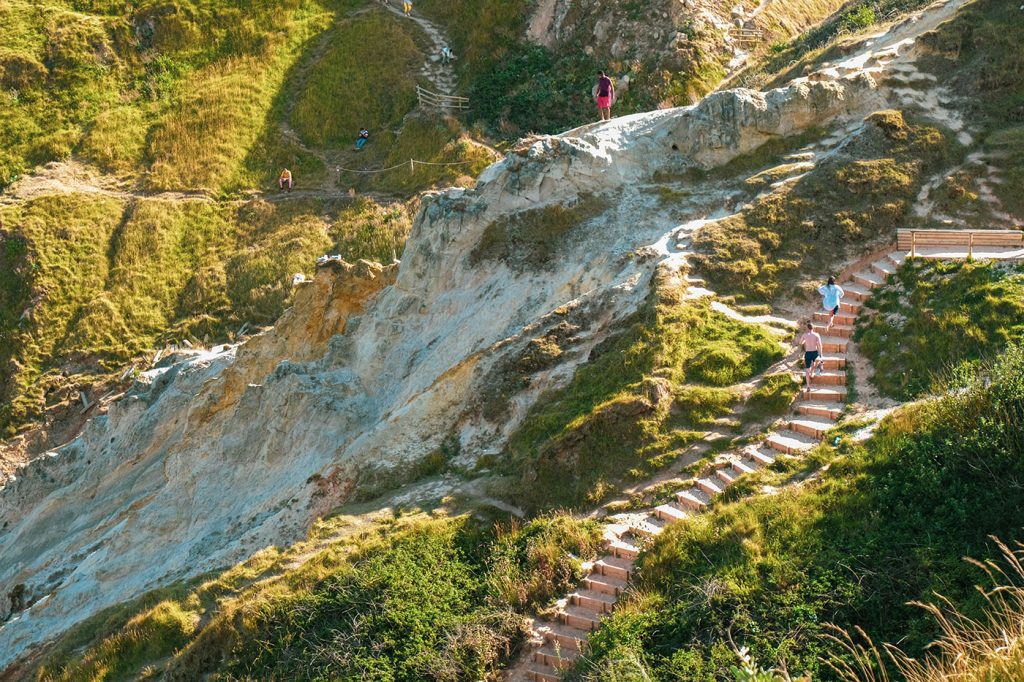
Image: Alex Totaro
The coastline features a variety of geological formations, with almost all of the Jurassic Coast’s rocks being sedimentary, such as limestone, shale, and sandstone. These rocks were laid down over millions of years, deposited on the seabed as sand and sediment by the ferocious waves before forming layers of rock known as the Jurassic strata. These layers provide a detailed record of ancient ecosystems and environmental changes – they contain the remains of the creatures that lived in them, as fossils.
The Jurassic Coast is renowned for its abundance of fossils. Fossilised remains of marine creatures such as ammonites, belemnites, ichthyosaurs, and even dinosaurs have been found along the coast, offering valuable insights into past life forms and ecosystems. The recent discovery at Kimmeridge Bay of a Pliosaur skull is on display at the Etches Museum – well worth visiting if you’re in the area. You can also join a guided fossil walk in the area, or simply head out to one of the many fossil-rich beaches and bays including Kimmeridge, Ringstead and Charmouth and get looking!
There are many geological landmarks scattered across the Jurassic Coast, all of which provide an incredible insight into what once was. Whether it’s a sunny summer’s day or a foggy February weekend, the sights are truly something to behold. Here are some of our favourites:

Image: Chris Lawton
Durdle Door – the iconic natural limestone arch formed through the motion of the wavesDurdle Door – the iconic natural limestone arch formed through the motion of the waves.
Lulworth Cove – a horseshoe-shaped bay. The Durdle Door to Lulworth Cove walk is one of the best in DorsetLulworth Cove – a horseshoe-shaped bay. The Durdle Door to Lulworth Cove walk is one of the best in Dorset.

Image: Jura

Image: Pete Quinn
Stair Hole – a small cove situated just to the west of Lulworth Cove, with a distinctive circular shape and steep sides resembling a set of stairsStair Hole – a small cove situated just to the west of Lulworth Cove, with a distinctive circular shape and steep sides resembling a set of stairs.
Old Harry Rocks – the chalk sea stacks located near Swanage, which were once part of a cliff stretching all the way to the Needles on the Isle of WightOld Harry Rocks – the chalk sea stacks located near Swanage, which were once part of a cliff stretching all the way to the Needles on the Isle of Wight.

Image: Anton Lammert

Image: Andrew Dorey
Dancing Ledge – a natural rock formation and former quarry near Langton Matravers. It’s too dangerous to swim in the sea here, which is why a pool was blasted into the rock in the early 1900sDancing Ledge – a natural rock formation and former quarry near Langton Matravers. It’s too dangerous to swim in the sea here, which is why a pool was blasted into the rock in the early 1900s.
Gad Cliff – a breathtaking cliff near Worbarrow Bay. The hard, Portland Limestone atop this cliff creates a dramatic overhang due to the softer sandstone and clay which has been worn away beneath itGad Cliff – a breathtaking cliff near Worbarrow Bay. The hard, Portland Limestone atop this cliff creates a dramatic overhang due to the softer sandstone and clay which has been worn away beneath it.
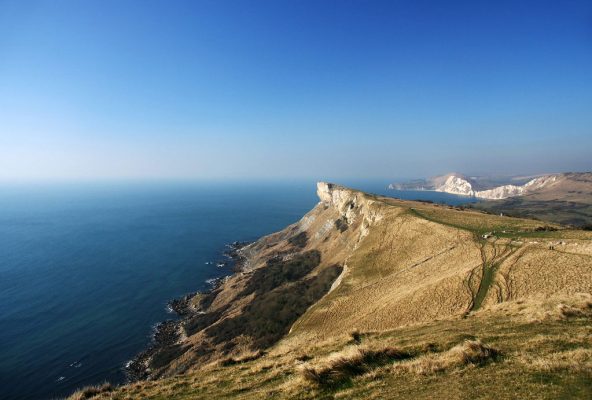
Image: Nick Leonard
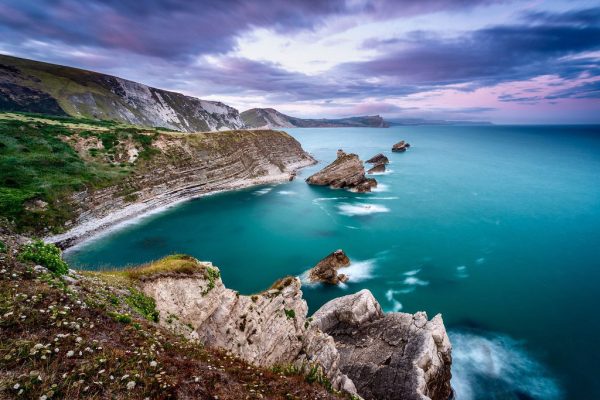
Image: Richard Perry
Mupe Rocks – Located on the other side of Worbarrow Bay to Gad Cliff, sea stacks jut out from the water. Low tide reveals the rockpools at Mupe LedgeMupe Rocks – Located on the other side of Worbarrow Bay to Gad Cliff, sea stacks jut out from the water. Low tide reveals the rockpools at Mupe Ledge
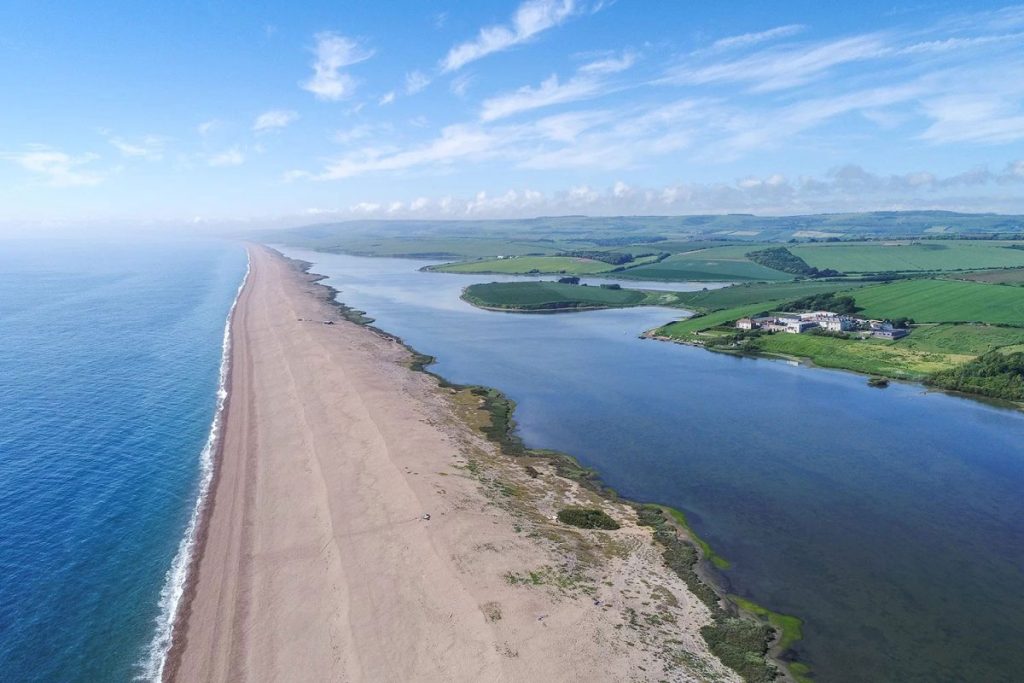
Chesil Bank – this long, shingle beach runs for 18 miles between West Bay, near Bridport, and the Isle of Portland, south of Weymouth. It’s thought to have formed as a barrier island parallel to the coast before migrating landwards in the last 10,000 years, separating Fleet Lagoon from the English ChannelChesil Bank – this long, shingle beach runs for 18 miles between West Bay, near Bridport, and the Isle of Portland, south of Weymouth. It’s thought to have formed as a barrier island parallel to the coast before migrating landwards in the last 10,000 years, separating Fleet Lagoon from the English Channel.
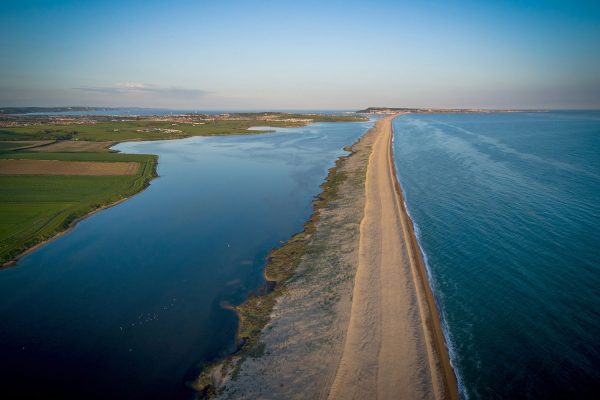
Image: Richard Perry
The Jurassic Coast is constantly shaped by natural processes such as erosion, weathering, and sea-level changes. While erosion exposes new rock layers and fossils, it also poses challenges for coastal management and conservation efforts. Various organisations work to protect the unique geological features and biodiversity of the area while balancing the needs of tourism, recreation, and local communities.
The Jurassic Coast offers a fascinating glimpse into the ancient history of the Earth, showcasing millions of years of geological processes and the evolution of life on our planet – but that’s not all…
Wildlife on the Jurassic Coast

We feel very lucky to share our home on the Jurassic Coast with so many incredible animals from dolphins and seals to falcons and razorbills. And whilst you can certainly spot some of them when you’re out and about – I saw a huge buzzard as I drove past Owermoigne last week – you’ll have a much better chance if you head to one of the Jurassic Coast’s many nature reserves. Here’s a quick guide to some of the best:
95 miles along the south coast of England from Exmouth in East Devon over to Studland Bay in Dorset. As I’m sure you’ve deciphered from the name, the majority of the rocks exposed along this dramatic coastline were formed during the Jurassic Period, which ended about 145 million years ago.
Durlston Country Park
Located just south of Swanage, this reserve sits atop the cliffs of southern Purbeck. See over 250 species of bird, plus migrating birds, nationally rare butterflies, Guillemots, and five species of reptiles

Eurasian Hoopoe

European Wall Lizard
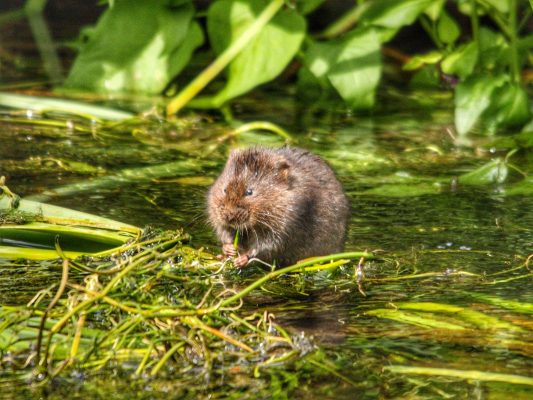
RSPB Weymouth Wetlands – This area is home to two reserves. RSPB Radipole Lake is in the heart of Weymouth, an unlikely urban home for some incredible wildlife. Lodmoor is more quiet, attracting a huge range of birds to its reedbed, saltmarsh and wet grassland.

Kingfisher
European Water Vole

Marsh Harrier
Spotting Dolphins & Seals on the Jurassic Coast
As well as the incredible wildlife listed above, we’re very lucky to have the opportunity to spot a range of species of marine mammals, such as dolphins and seals, along the Jurassic Coast.
There are 14 species of dolphins, porpoises, and whales to spot here, plus 2 species of seal. Species of marine mammals you can spot in Dorset include:

Eurasian Hoopoe

Eurasian Hoopoe
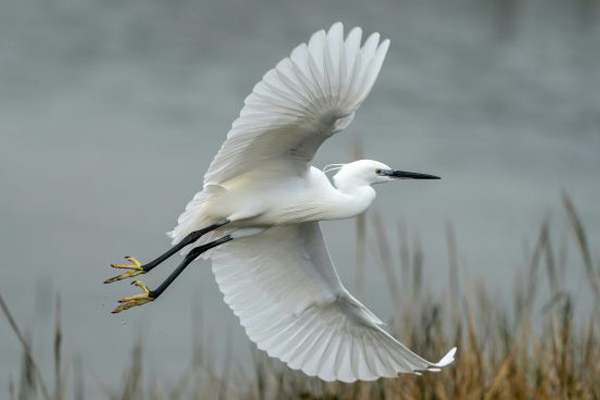
European Wall Lizard
There are 14 species of dolphins, porpoises, and whales to spot here, plus 2 species of seal. Species of marine mammals you can spot in Dorset include:

Eurasian Hoopoe

Eurasian Hoopoe
One of the best times of year to spot these marine mammals found in the south west is in early autumn. The best places on the Jurassic Coast to spot cetaceans include Durlston Head, Old Harry Rocks, Kimmeridge Cliffs and Portland Bill. You can also spot seals over in the bays of Swanage and Studland.
It’s very important to follow the advice provided in the Marine and Coastal wildlife code to ensure you don’t cause any disturbance or harm to these incredible animals, especially if you’re venturing onto the water to look for them, as opposed to setting up at a vantage point atop the cliffs.
Should you be lucky enough to spot one of these marine mammals, visit the Dorset Wildlife Trust’s website to find out how to report a sighting!
The Best Beaches on the Jurassic Coast
The Best Beaches on the JurassIt’s no secret that the Jurassic Coast is home to some spectacular beaches. We’ve already told you all about the best places to spot wildlife or see some geological wonders, but what about when it comes to sunbathing, a relaxing beach walk, or even water sports?
The Bournemouth, Christchurch and Poole area of Dorset is famous for its beautiful beaches. But there’s far more to this county than the east’s golden sands, so here are some of our favourite beaches on the Jurassic Coast!

Image: Ian Woolcock
Ringstead Bay – A pretty stretch of shingle popular with fossil hunters. Flower-covered cliffs shelter the calm beach which is surrounded by miles of footpaths, making it perfect for coastal walks and dips in the sea.
Studland Beach – A four-minute ferry from Sandbanks brings you to the golden sands of Studland, which is popular with families and watersports enthusiasts due to its sheltered position and proximity to Sandbanks beachStudland Beach – A four-minute ferry from Sandbanks brings you to the golden sands of Studland, which is popular with families and watersports enthusiasts due to its sheltered position and proximity to Sandbanks beach.


Image: Nick Fewings
Chesil Beach – This incredible stretch of sand isn’t just a geological marvel – it also provides a fantastic place to stroll along the pebbles and take in the sights.
Worbarrow Bay – Hidden at the foot of the Purbeck hills, this broad, shallow bay is about a 25 minute walk from the ghost village of Tyneham. It’s another popular fossil-finding area of the Jurassic Coast, untouched by modern development, and its remote location provides a quiet alternative to the popular beaches at Lulworth and Durdle DoorWorbarrow Bay – Hidden at the foot of the Purbeck hills, this broad, shallow bay is about a 25 minute walk from the ghost village of Tyneham. It’s another popular fossil-finding area of the Jurassic Coast, untouched by modern development, and its remote location provides a quiet alternative to the popular beaches at Lulworth and Durdle Door.

Swanage Beach – South of Studland Bay, this sandy beach runs along a promenade full of amusements and attractions, making it popular with tourists and locals alike. Lifeguard patrols are present in the summer months, with deck chairs, pedalos, kayaks and sunbeds available for hireSwanage Beach – South of Studland Bay, this sandy beach runs along a promenade full of amusements and attractions, making it popular with tourists and locals alike. Lifeguard patrols are present in the summer months, with deck chairs, pedalos, kayaks and sunbeds available for hire.
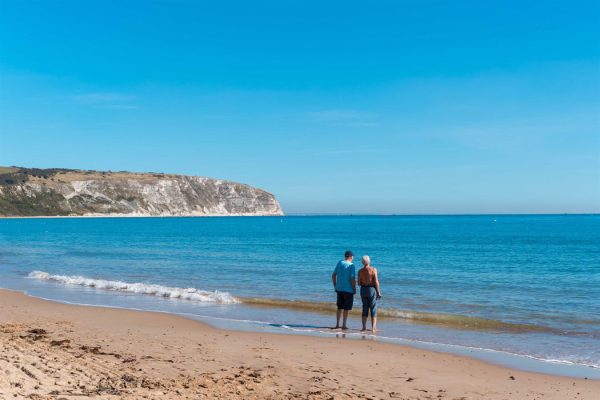
Charmouth Beach – This fossil-hunting haven is in west Dorset, close to the border with Devon, and is family-friendly with lots of sand at low tide, safe swimming, picnic areas, cafes and beach shops. Split in two by the River Char, the west beach runs along to Lyme Regis, and the east beach is most popular with familiesCharmouth Beach – This fossil-hunting haven is in west Dorset, close to the border with Devon, and is family-friendly with lots of sand at low tide, safe swimming, picnic areas, cafes and beach shops. Split in two by the River Char, the west beach runs along to Lyme Regis, and the east beach is most popular with families
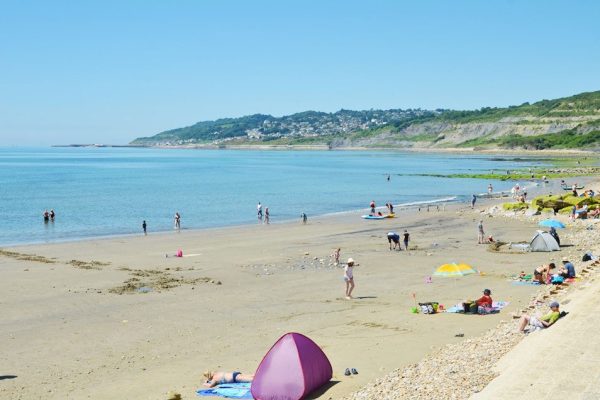
Durdle Door Beach – The pebble and shingle beach at Durdle Door is very popular with those wanting to see the famous landmark. We recommend visiting in the off-peak season between September and May – and make sure to do your research on the steep walk to the beach as flip flops are not recommended!Durdle Door Beach – The pebble and shingle beach at Durdle Door is very popular with those wanting to see the famous landmark. We recommend visiting in the off-peak season between September and May – and make sure to do your research on the steep walk to the beach as flip flops are not recommended!

Church Ope Cove – This hidden gem is located on the Isle of Portland’s sheltered east coast, surrounded by the unique rocky landscape of the Weares. Access is via a long flight of steep steps, which may not be accessible for all, but it’s well worth getting down there if you are ableChurch Ope Cove – This hidden gem is located on the Isle of Portland’s sheltered east coast, surrounded by the unique rocky landscape of the Weares. Access is via a long flight of steep steps, which may not be accessible for all, but it’s well worth getting down there if you are able.

There’s a fantastic range of beaches on Dorset’s Jurassic Coast, tucked away in coves and bays and each hiding their own secrets. Some beaches are more family-friendly, with sands perfect for a day spent sunbathing, playing, and swimming. Others are ideal for the more adventurous – people who love to spend their time exploring hidden coves, wading through rock pools, wildlife-spotting or fossil-hunting.
Historical sites on the Jurassic Coast
There is a long history of settlement on the Jurassic Coast, with the first-known settlers living out their lives along the coast in the Isle of Purbeck and Weymouth as early as 8000 BC. These mesolithic hunters are thought to have returned to Britain when it was still connected to mainland Europe via a land bridge, and used stone tools and fire to clear the native oak forests to look for prey.
The medieval period along the Jurassic Coast was characterised by the growth of towns, trade, and agriculture. Norman castles like Corfe Castle were built by William the Conqueror. Landmarks like Sandsfoot Castle and Portland Castle were constructed in the Tudor era as coastal defences, and the area was further shaped by the industrial revolution when Weymouth and Portland grew as important ports.
Now, Dorset’s Jurassic Coast is home to the remnants of those who came before us – and you can dive into our history at these fascinating landmarks:
Nothe Fort – Built in the mid 19th century, this museum is one of the UK’s best-preserved coastal forts. You can walk around the south of the peninsula along the north side of Newton’s Cove before heading through Nothe Gardens and the fort itself. Continue around and you’ll exit at Weymouth Harbour – this is a fantastic day out for families, walkers, and history enthusiasts alikeNothe Fort – Built in the mid 19th century, this museum is one of the UK’s best-preserved coastal forts. You can walk around the south of the peninsula along the north side of Newton’s Cove before heading through Nothe Gardens and the fort itself. Continue around and you’ll exit at Weymouth Harbour – this is a fantastic day out for families, walkers, and history enthusiasts.

Tyneham Village – Did you catch the mention of the ghost village of Tyneham earlier in the blog? Evacuated in 1943, the villagers were never allowed to return – meaning only memories remain. Some of the original buildings are still standing, with the church and school buildings restored to hold exhibitions about the villageTyneham Village – Did you catch the mention of the ghost village of Tyneham earlier in the blog? Evacuated in 1943, the villagers were never allowed to return – meaning only memories remain. Some of the original buildings are still standing, with the church and school buildings restored to hold exhibitions about the village.

Portland Castle – Originally built during the reign of Henry VIII, Portland Castle was part of the King’s plan to protect against invasion from the Romans. Now managed by English Heritage, this is a popular tourist attraction where you can learn more about the role the Isle of Portland has played throughout historyPortland Castle – Originally built during the reign of Henry VIII, Portland Castle was part of the King’s plan to protect against invasion from the Romans. Now managed by English Heritage, this is a popular tourist attraction where you can learn more about the role the Isle of Portland has played throughout history

Corfe Castle – 1000 years of history is contained within the walls of Corfe Castle, which was originally built shortly after the Norman conquest of 1066. When you visit, you’ll learn all about its colourful past, including how the castle came to be partially demolished in the English Civil War. There’s also a cosy 18th century tearoom and a beautiful, riverside picnic areaCorfe Castle – 1000 years of history is contained within the walls of Corfe Castle, which was originally built shortly after the Norman conquest of 1066. When you visit, you’ll learn all about its colourful past, including how the castle came to be partially demolished in the English Civil War. There’s also a cosy 18th century tearoom and a beautiful, riverside picnic area.

As we conclude our Ultimate Guide to Visiting Dorset’s Jurassic Coast, we hope you’re feeling inspired to embark on your own adventure along this extraordinary stretch of coastline. From the dramatic cliffs of Lulworth Cove to the ancient fossils of Charmouth Beach, Dorset’s Jurassic Coast offers a wealth of experiences waiting to be discovered.
Whether you’re drawn to the area’s geological wonders, its rich history and heritage, or simply its stunning natural beauty, there’s something here for everyone to enjoy. Every moment spent on the Jurassic Coast is sure to be filled with wonder and excitement.
We encourage you to approach your journey with curiosity, openness, and a spirit of adventure, whether you’re discovering the secrets of ancient fossils, marvelling at the breathtaking views from cliff-top paths, or simply savouring the tranquillity of coastal villages.
Thank you for joining us on this exploration of one of England’s most iconic coastlines. We wish you safe travels and unforgettable experiences as you set out to discover the wonders of Dorset’s Jurassic Coast. Until next time, happy exploring!
Holidays on the Jurassic Coast with Quay Holidays
Interested in visiting Dorset’s Jurassic Coast on your next family holiday? We know you’ll love it just as much as we do, and we’re here to help you every step of the way.
Our range of self-catering holiday properties in Poole and Bournemouth are each beautifully unique – whatever you’re looking for, we’re passionate about finding the perfect holiday property for you. From quaint cottages for small families to spacious, modern five-bedroom houses, we’re proud to offer a true home-from-home experience on Dorset’s stunning Jurassic Coast.
Many of our lovely holiday properties in Dorset are close to the seafront and within walking distance of some fantastic sights and restaurants. This means that after a busy day exploring the Jurassic Coast, you can enjoy a quiet, relaxing evening at one of our fantastic local seafood restaurants in Poole!
Based in Poole’s historic Old Town, we provide a comprehensive full-management service to ensure your holiday is as perfect as can be.
Browse our range of self-catering properties or get in touch with us to get started!